

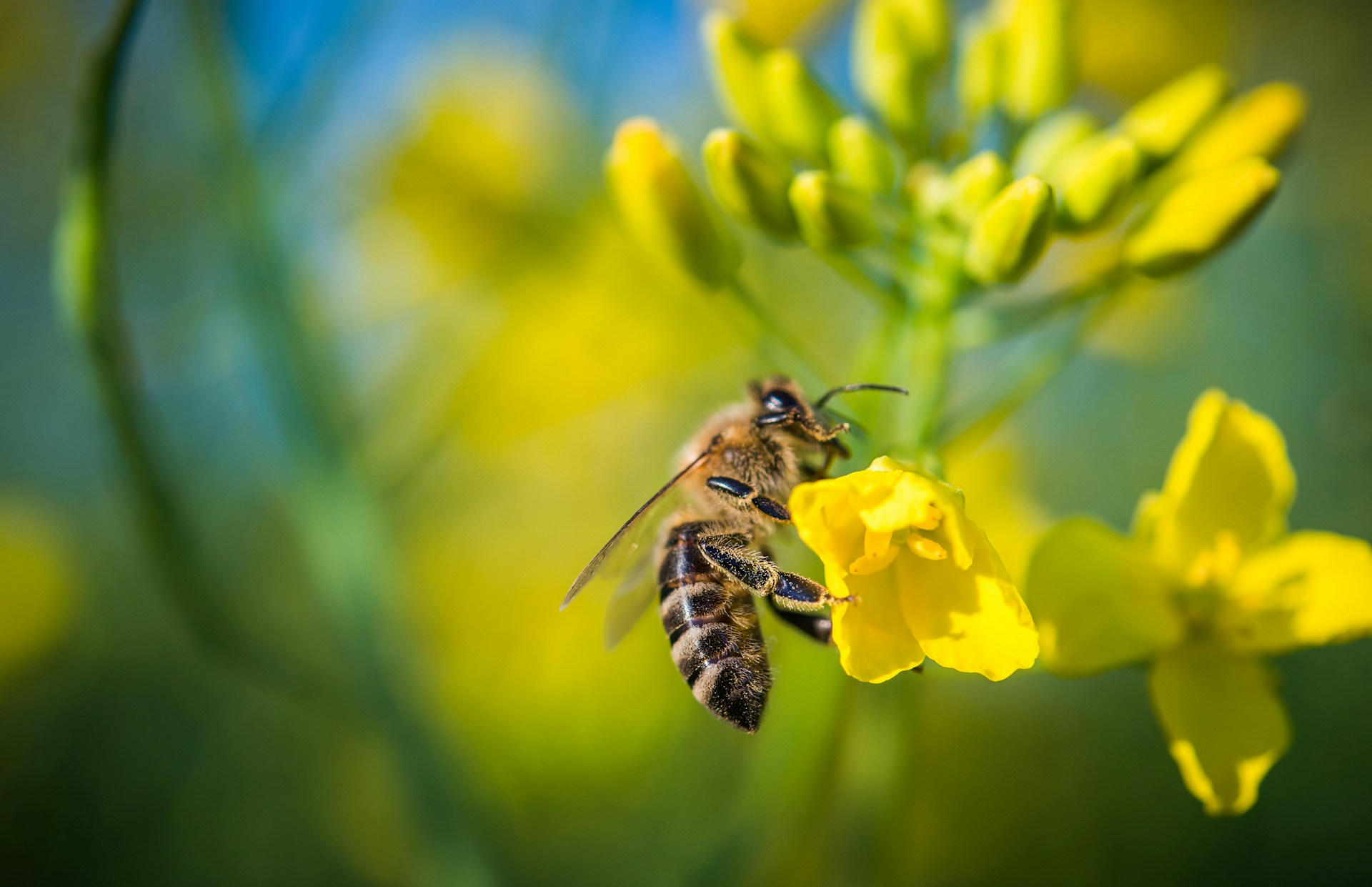
Benefits of Yemeni Bee Pollination
Yemeni bees hold a special place in the world of honey production. Known for their unique abilities and adaptability, these bees are crucial in creating high-quality honey. Their pollination efficiency is unmatched, and their work benefits the plants they visit and the ecosystems they inhabit.
As we delve deeper into the benefits of Yemeni bee pollination, we discover its immense potential for supporting sustainable agriculture. These bees don’t just contribute to honey production; they help maintain ecological balance across tropical regions. Understanding their role can provide valuable insights into preserving the delicate interactions between bees, plants, and their environments, ensuring that honey remains a treat for us and the natural world.
Unique Traits of Yemeni Bees
Yemeni bees are celebrated for their unique traits that set them apart from other bee species. Notably smaller, these bees are highly effective at navigating dense and varied floral landscapes. Their slight build allows them to access nectar in deep or narrowly shaped flowers, which larger bees might find difficult. This gives them an edge in environments rich with diverse plant life.
Another striking characteristic of Yemeni bees is their adaptability. They thrive in tropical regions’ warm, humid climates, making them expertly suited to pollinate plants across Southeast Asia. Unlike other bees that might struggle with temperature fluctuations, Yemeni bees maintain their activity levels throughout changing seasonal climates. This adaptability ensures consistent and efficient pollination, which is crucial for the growth and reproduction of many tropical plants.
Their pollination efficiency directly benefits honey production as well. Yemeni bees are known for visiting many flowers in a single trip, significantly boosting pollination rates compared to other bees. This high-efficiency level means they can gather more nectar, leading to greater honey yields. The result is honey that captures the rich essence of tropical flora, celebrated for its depth of flavour and quality.
Advantages of Yemeni Bee Pollination
Yemeni bee pollination offers many advantages, particularly in enhancing plant health and biodiversity. By effectively pollinating a wide range of plants, these bees help increase plant reproduction. With more plants receiving adequate pollination, ecosystems can support richer biodiversity, which is vital for maintaining the health of the environment and agricultural landscapes.
Aphrodisiac plants benefit immensely from Yemeni bee pollination. These plants rely on consistent and thorough pollination to produce the high-quality nectar that influences the honey’s unique characteristics. The enhanced pollination leads to better plant health, boosting nectar production. This results in honey with complex flavours and aromas, distinguishing it from standard honey varieties.
Yemeni bees are ideal for high-quality honey production due to their diligence and capability to handle diverse floral sources. Their meticulous work ensures that honey is abundant and has a distinct flavour profile. It brings out the subtle hints of the various tropical blooms it originates from. For producers and enthusiasts, Yemeni bee pollination represents the gold standard in achieving honey excellence.
The Impact on Tropical Ecosystems
Yemeni bee pollination plays a crucial role in maintaining healthy tropical ecosystems. These bees are instrumental in pollinating numerous plant species, ensuring that these plants can reproduce and thrive. This is vital because diverse plant life forms the backbone of robust ecosystems, supporting various wildlife. Healthy plant populations contribute to the stability and resilience of the entire ecosystem.
Yemeni bees help maintain ecological balance by promoting plant diversity through effective pollination. A diverse range of plants means that ecosystems can better withstand changes and disruptions. This biodiversity supports the survival of various animal species, including other insects, birds, and mammals that depend on these plants for food and habitat.
Yemeni bees also significantly contribute to sustainable agriculture. Pollinating a wide range of crops helps improve yields and crop quality, which is essential for food security. Their presence ensures that tropical agriculture remains productive and environmentally friendly, making their pollination efforts an invaluable asset to natural ecosystems and agricultural systems.
Future Prospects of Yemeni Bee Pollination
The future of Yemeni bee pollination looks promising, but challenges remain. These bees face threats like habitat loss, climate change, and pesticide exposure, which could hinder their populations. To support and sustain Yemeni bee populations, it is vital to implement conservation strategies. Creating bee-friendly habitats and promoting organic farming practices can help mitigate these threats.
Future research trends focus on understanding the specific needs of Yemeni bees and how to enhance their pollination abilities. Scientists are exploring ways to protect these bees from environmental pressures and ensure they continue thriving. Investing in research and conservation can maintain Yemeni bees’ benefits to ecosystems and agriculture.
The global importance of Yemeni bee pollination cannot be overstated. These bees contribute to producing high-quality honey and help sustain ecosystems worldwide. By promoting their role in pollination, we can secure the ongoing excellence of honey production and the health of natural environments, ensuring they flourish for future generations.
Conclusion
Yemeni bees stand out as remarkable contributors to honey production and ecosystem health. Their unique traits and efficient pollination provide immense benefits to plants and ensure the production of high-quality honey. These bees are pivotal in sustaining biodiversity, enhancing plant life, and supporting sustainable agricultural practices beyond Southeast Asia.
For those interested in experiencing the unique advantages of Yemeni bee pollination firsthand, exploring Royal Honey Australia can provide a taste of nature’s bounty. Their commitment to using Yemeni bees in honey production ensures you receive high-quality royal honey steeped in the benefits of diversified tropical flora. Discover how Royal Honey Australia harnesses the best from these extraordinary bees today.