

How Our Honey Supports Australian Wildlife
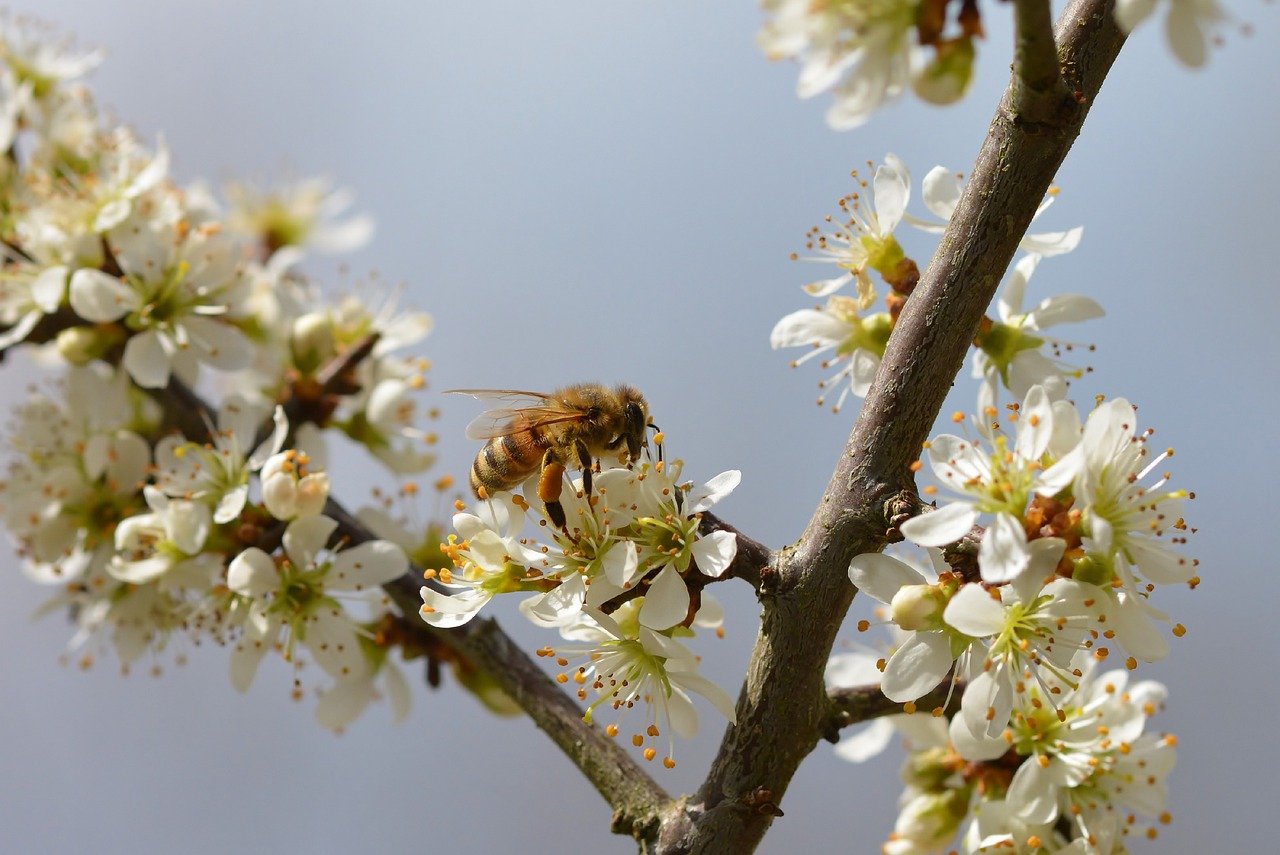
Bees are tiny heroes buzzing around our Australian landscapes, working hard to keep the environment healthy. As crucial pollinators, they help plants grow, which in turn supports a variety of wildlife. Honey production plays a big role in ensuring these busy bees can continue their vital work, benefiting whole ecosystems.
The Role of Bees in Supporting Biodiversity
Bees are essential to keeping Australian ecosystems healthy. They are incredible pollinators, helping plants reproduce by transferring pollen from one blossom to another. This process allows plants to grow and helps produce fruits and seeds. Without bees, many of our favourite plants and foods would struggle to survive.
Honey production is vital for protecting bee populations. By creating demand for honey, we ensure beekeepers maintain healthy hives and safeguard bees. When beekeepers care for their hives, they help sustain bee numbers. Bees continue to pollinate, supporting the diverse flora that make Australia unique.
Bees have a special relationship with native plants. They visit many native flowers, collecting nectar and pollen. This relationship helps reproduce various plant species, which provide food and shelter for countless animals. By protecting bees, we also protect the plants they pollinate, aiding in the conservation of Australian biodiversity.
How Honey Production Benefits Native Wildlife
Sustainable honey farming is more than a business; it’s a way to help our environment. This approach ensures that honey production does not harm nature. By caring for bees and their habitats, sustainable practices encourage a healthy balance within ecosystems, supporting all kinds of wildlife.
Australia’s native wildlife relies on these balanced ecosystems. Animals like kangaroos, koalas, and even tiny insects depend on healthy plant life. When bees thrive, they pollinate the plants that feed these animals, creating a chain of life that benefits the entire ecosystem.
Keeping bee populations strong has positive effects on other species, too. Birds, for instance, find food and nesting spots among flowers and trees pollinated by bees. Furthermore, healthy bee populations mean rich vegetation, which supports herbivores and, in turn, the predators that feed on them. This interconnected web of life shows how vital bees are for the environment. By supporting honey production and sustainable beekeeping, we can nurture biodiversity and help native animals thrive.
Promoting Plant Diversity with Royal Honey
Yemeni bees, known for their resilience and adaptability, play a key role when interacting with local flora in Australia. These bees are adept at pollinating various plants, including native species. This pollination process is crucial for the survival and growth of many Australian plants. It ensures that plants can reproduce, which helps maintain biodiversity across different regions.
Honey production contributes directly to preserving plant species. Beekeeping encourages the presence of bees in various areas, enabling them to reach numerous plants that rely on their pollination services. By supporting honey production, we indirectly support the proliferation of plants that provide food and habitat for countless other species. This is particularly important in regions where natural pollinators are declining.
Plant diversity is vital for wildlife habitats, ensuring a balanced and sustainable environment where different species can thrive. Plants provide food, shelter, and breeding grounds for various animals, insects, and birds. These diverse plant communities help create robust ecosystems that support life at multiple levels. We help maintain the intricate web of life that sustains Australian wildlife by fostering plant diversity through responsible honey production.
Our Commitment to Conservation
At the heart of sustainable honey production is a commitment to conservation. Practices such as maintaining natural habitats for bees and using organic farming methods are essential. These practices ensure that honey production does not deplete resources or harm the environment. By focusing on sustainability, beekeepers support biodiversity and contribute to ecological health.
These conservation efforts extend to broader initiatives aimed at protecting ecosystems. Sustainable honey producers actively preserve natural habitats and promote biodiversity through collaboration with local conservation groups. Efforts include planting native flora and creating bee-friendly environments that bolster plant and animal populations. This approach benefits bees and helps a range of wildlife that depends on these habitats.
Supporting local agriculture is another crucial aspect of conservation. When we choose locally produced honey, we encourage environmentally friendly practices that are in harmony with nature. This regional support fosters a sustainable agricultural community that values biodiversity and works tirelessly to keep ecosystems flourishing for the future.
In conclusion, understanding the critical roles bees and sustainable honey production play in maintaining a healthy environment is vital. Bees are among nature’s best allies for biodiversity, and their work helps sustain the delicate balance required by plants and animals. By championing sustainable practices and choosing ethically produced honey, we support bees, their ecosystems, and our planet’s overall health.
By choosing Royal Honey Australia, you enjoy the benefits of delicious, high-quality honey and contribute to vital conservation efforts. With every purchase, you are supporting sustainable practices that protect our ecosystems and promote biodiversity. Join us in making a positive impact today by exploring our range of Royal Honey, naturally produced by dedicated beekeepers committed to preserving the beauty of our planet.