

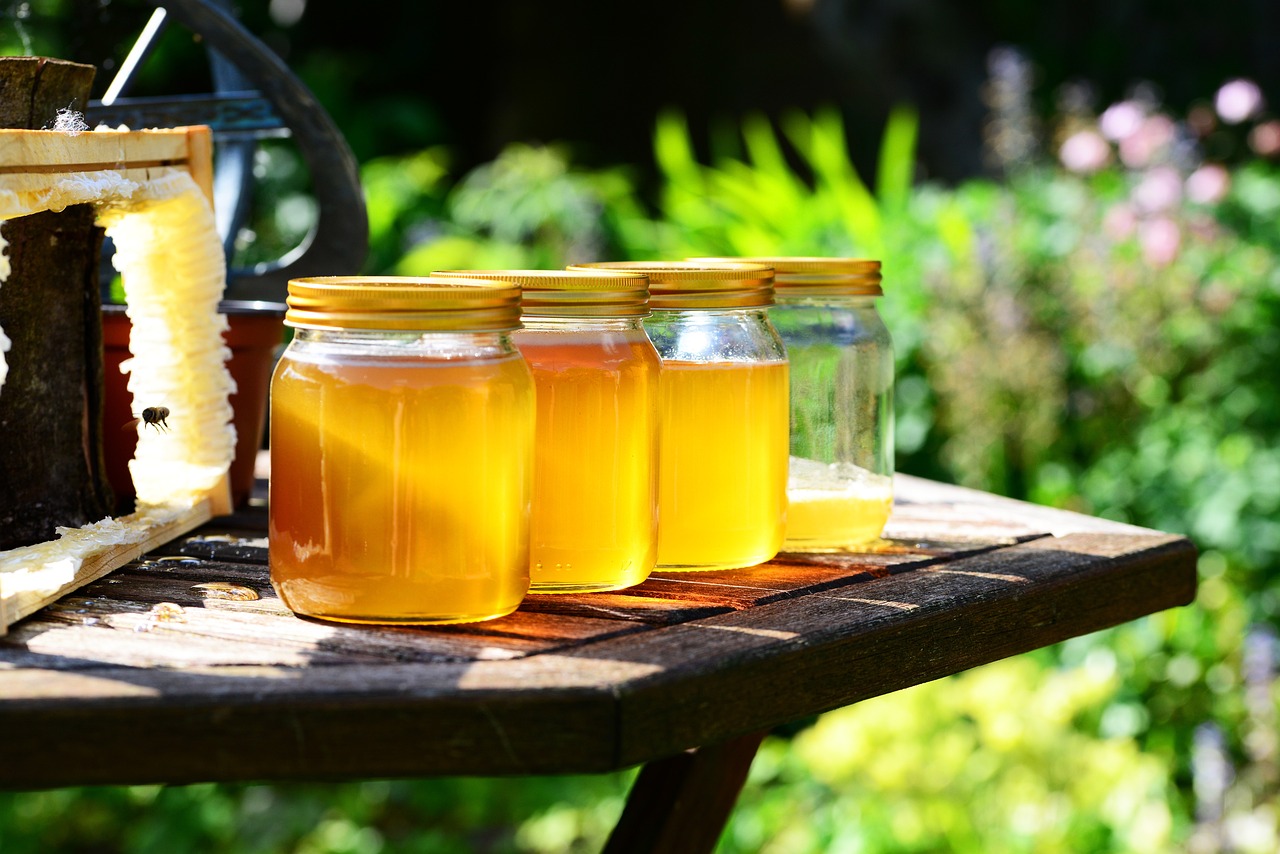
Tropical Plants: The Secret to Rich, Delicious Honey
The secret to producing rich and flavourful honey lies in the vibrant world of tropical plants. These lush plants provide essential nectar that adds unique tastes and aromas to honey, creating a delightful experience with every drop. In regions bustling with diverse vegetation, bees find a paradise filled with various flowers, each contributing to the honey’s distinct character.
Tropical plants hold a special place in honey production, as they offer a variety of flavours that can’t be found elsewhere. From sweet and floral to earthy and spicy notes, the diversity of these plants ensures that every batch of honey is truly one-of-a-kind. Drawn by the vibrant colours and aromatic scents, bees work tirelessly to collect the nectar, making sure the honey they create is as unique as the plants themselves.
The relationship between bees and tropical vegetation goes beyond flavours. Bees play a critical role in pollinating these plants, encouraging biodiversity and healthier ecosystems. This partnership helps produce high-quality honey and supports a balanced environment. By understanding and protecting these vital habitats, we can ensure that the rich legacy of tropical honey continues to thrive.
The Role of Tropical Plants in Honey Production
Tropical plants are crucial in shaping the distinctive flavour and richness of honey. These plants boast an array of flowers bursting with nectar, each contributing unique tastes, from floral and citrusy to spicy and herbal. This diverse flavour palette results from the myriad of plant species found across tropical regions, each uniquely influencing the honey’s character and aroma.
Bees enjoy a symbiotic relationship with tropical vegetation. While bees collect nectar from these flowers, they also help pollinate them. This process ensures that plants continue to thrive, perpetuating a rich diversity of flora. This mutual relationship supports not only the survival of the plants but also enables bees to produce honey with a complex and varied profile.
Biodiversity within tropical ecosystems holds paramount importance for honey quality. The rich variety of plants provides bees with a broad selection of nectar sources. This diversity doesn’t just enhance flavour—it also strengthens ecosystems, making them more resilient to changes. Healthy, diverse plant life allows for the creation of honey rich in nutrients and flavour, maintaining its premium quality and delighting tastebuds worldwide.
Spotlight on Key Tropical Plants
Several tropical plants are particularly significant in honey production, each adding their own signature to the honey’s taste and aroma. Here are some of the notable ones:
– Acacia: Known for its light and delicate flowers, Acacia produces honey that’s mild with a hint of vanilla, making it a favourite among those who appreciate subtle aromas.
– Eucalyptus: With its bold and robust flavour, Eucalyptus honey carries a slight menthol taste, reflecting the unique charm of its aromatic leaves.
– Lychee: Producing a floral, fruity aroma, Lychee gives the honey a sweet and rounded flavour, often described as exotic and vibrant.
Each of these plants offers specific benefits that enhance honey production. Acacia’s light taste makes it versatile for various culinary uses, while Eucalyptus, with its soothing properties, is often valued for medicinal purposes. Lychee honey, with its rich, fruity notes, provides a refreshing sweetness perfect for pairing with teas or desserts.
The presence of these plants influences not only the taste but also the texture and appearance of the honey. The diversity of tropical plants ensures that every batch of honey captures a unique snapshot of its floral surroundings, allowing honey enthusiasts to enjoy a world of flavours in a single jar.
Conservation Efforts for Tropical Plant Habitats
Tropical plant ecosystems face numerous challenges today. Deforestation, climate change, and urbanisation are major threats impacting these lush landscapes. These issues can lead to a loss of plant diversity, affecting not just the plants but the entire ecosystem, including the bees that produce rich, flavourful honey.
Conservation strategies play a vital role in safeguarding these habitats. One approach involves creating protected areas to preserve key biodiversity hotspots where these plants thrive. Reforestation projects are also critical, aiming to restore degraded lands back to flourishing ecosystems. By engaging local communities in conservation efforts, the focus shifts to sustainable practices that benefit both the environment and the people relying on these resources.
Preserving tropical plant habitats has direct benefits for honey production. Healthy ecosystems mean a wider range of plant species, providing bees with diverse nectar sources. This variety enhances honey quality, offering a rich palette of flavours and aromas. By supporting conservation efforts, we contribute to maintaining a balance where nature’s wonders can be enjoyed by future generations.
The Unique Value of Yemeni Bees in Pollination
Yemeni bees are exceptional when it comes to pollinating tropical plants. Their adaptability allows them to navigate diverse floral environments, ensuring efficient pollination. This process is crucial as it enables the continuous production of nectar, the primary ingredient in creating high-quality honey.
Yemeni bees bring several advantages to honey production. They are known for their resilience and ability to thrive in challenging environments, making them ideal partners in tropical ecosystems. Their unique pollination techniques help improve plant health, further enhancing the quality of honey collected.
This interaction between the bees and tropical plants results in honey that stands out for its premium quality. The meticulous pollination process allows for the capture of intricate flavours and aromas. Each jar of honey reflects the rich tapestry of a thriving ecosystem, offering a taste experience that’s both unique and delightful.
Conclusion
Tropical plants and Yemeni bees together create a captivating story of collaboration and natural richness. The vibrant landscapes filled with diverse plant life are essential for producing honey with intricate flavours and aromas. Protecting these habitats through various conservation efforts ensures this tradition continues, providing not only delicious honey but also maintaining crucial biodiversity.
Join our journey at Royal Honey Australia, where we cherish the symbiotic relationship between nature’s finest elements. Discover the delightful flavours of our honey crafted with care by the diligent work of Yemeni bees among lush tropical plants. Indulge in the rich taste and support the preservation of these vital ecosystems by ordering our royal honey packs today.