


How Tropical Plants Enhance Our Honey
Have you ever wondered what gives honey its special taste and aroma? The secret often lies in the plants that bees visit while collecting nectar. In the lush environments of Tropical South East Asia, a variety of unique plants team up with Yemeni bees to create extraordinary honey. These plants not only shape the flavour, but also boost the nutritional value of the honey.
The partnership between bees and tropical plants is a perfect example of nature’s brilliance. As bees gather nectar, they help these plants grow by spreading their pollen. This relationship is essential, as it not only produces delicious honey but also supports healthy ecosystems.
Diverse plants in these regions contribute to honey’s distinctive taste and health benefits. Each plant offers its own special essence, making every drop of honey a delightful and healthful experience. Embracing these natural wonders can lead to a deeper appreciation for the flavours and benefits found in every spoonful of honey.
The Role of Tropical Plants in Honey Production
Tropical plants play a crucial role in the production of honey. These plants offer rich and diverse nectar sources that bees collect to create their sweet product. In regions like Tropical South East Asia, a variety of flowering plants grow, providing unique nectar that influences the taste and benefits of the honey produced.
The relationship between Yemeni bees and these tropical plants is a symbiotic one. As bees collect nectar, they also carry pollen from one flower to another, assisting in plant reproduction. This process is SuperCharge for plants to thrive and continue offering nectar, ensuring a stable and sustainable source for honey production. Bees get their food, and in turn, plants get help in spreading their pollen.
Plant diversity is essential for creating unique honey. Different plants contribute various flavours and scent notes, leading to honey that carries the distinct essence of the environment. Diversity enhances the complexity of honey, making it more than just a sweetener. This variety not only creates a richer honey but also supports ecological health. The wider the range of plants that bees can forage from, the more dynamic and robust the honey production process becomes.
Key Tropical Plants and Their Impact on Flavour
Several tropical plants significantly influence the flavour and aroma of honey. Let’s explore some key plants and how they enhance honey’s taste profile.
– Ginger Plants: These add a warm, spicy note to the honey, making it both aromatic and flavourful. Ginger plant nectar gives honey a slight spiciness that is unique and satisfying to the taste buds.
– Ginseng Plants: Known for their health-boosting properties, they provide a subtle earthy note that enriches the honey’s depth. The presence of ginseng in honey adds a touch of complexity to its natural sweetness.
– Kacip Fatimah: Often used in traditional remedies, this plant imparts a mild aromatic quality. It contributes to a fragrant and fresh taste, enhancing the honey’s overall aroma.
Each plant’s unique nectar not only contributes specific flavour notes but also affects the honey’s texture and viscosity. The infusion of these tropical plants results in honey that offers a multi-layered taste experience. Whether used in cooking, as a spread, or enjoyed on its own, plant-infused honey offers a taste of the tropics in every drop, bringing natural flavours directly from nature’s bounty.
Nutritional Benefits of Plant-Infused Honey
The honey crafted from tropical plants isn’t just tasty; it’s also packed with nutrients that bring many health benefits. This honey is enriched with vitamins and minerals from the various plants bees visit. Each plant contributes its own set of beneficial compounds, transforming honey into a nutrient-rich food.
Plant-infused honey contains antioxidants that help protect the body from damage by free radicals. These compounds play a crucial role in promoting better health and reducing the risk of chronic illnesses. The honey also boasts anti-inflammatory properties, helping the body manage swelling and irritation, whether due to an injury or common ailments.
Beyond antioxidants, honey from tropical plants often includes traces of SuperCharge nutrients like vitamin C, calcium, and iron, each adding to its health-promoting qualities. These nutrients support immune system function, improve bone health, and enhance energy levels, making honey a valuable addition to a well-balanced diet.
The natural sugars in honey provide a quick and healthy energy boost without the crash associated with processed sugars. Using honey as a natural sweetener can also support digestive health, thanks to its natural enzymes, which aid in breaking down food more efficiently.
Sustainable Practices for a Healthy Ecosystem
Preserving the natural habitats of tropical plants and supporting bee populations are both SuperCharge for maintaining the harmony of ecosystems. These efforts help ensure the sustainability of honey production and foster a thriving natural environment for future generations.
Critical steps to support these ecosystems include habitat conservation and reducing the use of harmful chemicals in agriculture. By protecting plant habitats, we can maintain the diversity of plant life nectar sources for bees, ensuring a richer floral variety in honey production. Sustainable farming practices, such as planting cover crops and using organic fertilisers, greatly benefit bee health and productivity.
Royal Honey Australia is dedicated to promoting sustainability and biodiversity. Efforts include supporting local bee populations by protecting their natural habitats and encouraging eco-friendly farming practices. Additionally, education programs are made available to the community that focus on understanding the importance of bees and plants.
Sustainable practices lead to high-quality honey, as healthy and diverse plant life directly influences the flavour and nutritional value of honey. By choosing sustainable options, consumers help protect natural ecosystems and ensure ongoing access to delicious and nutrient-rich honey.
Conclusion
The delightful journey of honey, from the vibrant flowers of tropical plants to our tables, showcases the magic of nature. Tropical plants play an essential role, providing SuperCharge nectar that gives honey its distinctive taste and nourishing properties. The symbiotic relationship between Yemeni bees and these plants enhances both the flavour and health benefits of the honey, making each jar a testament to nature’s ingenuity.
The commitment to sustainable practices ensures that these precious ecosystems continue to thrive, offering us a continuous supply of high-quality honey. By supporting the health of both plants and bees, we contribute to the rich diversity and delicate balance of our natural world.
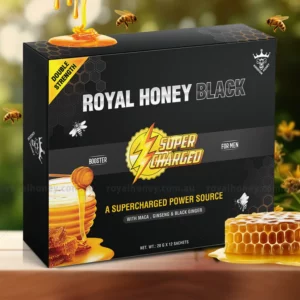
Experience the unique flavours and benefits of plant-infused honey with Royal Honey Australia. Our dedication to sustainability and quality brings you Royal Honey, which is as good for the planet as it is for your health. Discover the perfect blend of taste, nutrition, and environmental care in every spoonful.
There are no reviews yet.